Anna Simmons · 8 October 2026
Investigating Digital Tools for Pattern Innovation in Velvet Textile Creation for Exclusive Collections
Digital tools have reshaped pattern development processes within velvet textile production, particularly for collections aimed at high-end markets. Researchers at institutions across Europe and North America have documented how software platforms enable precise control over pile direction, color gradients, and motif complexity that traditional hand methods rarely achieve at scale. Data from industry surveys conducted through 2025 show increased adoption rates among manufacturers supplying exclusive lines, with adoption figures climbing steadily as compatibility with existing looms improves.
Core Software Platforms Driving Pattern Creation
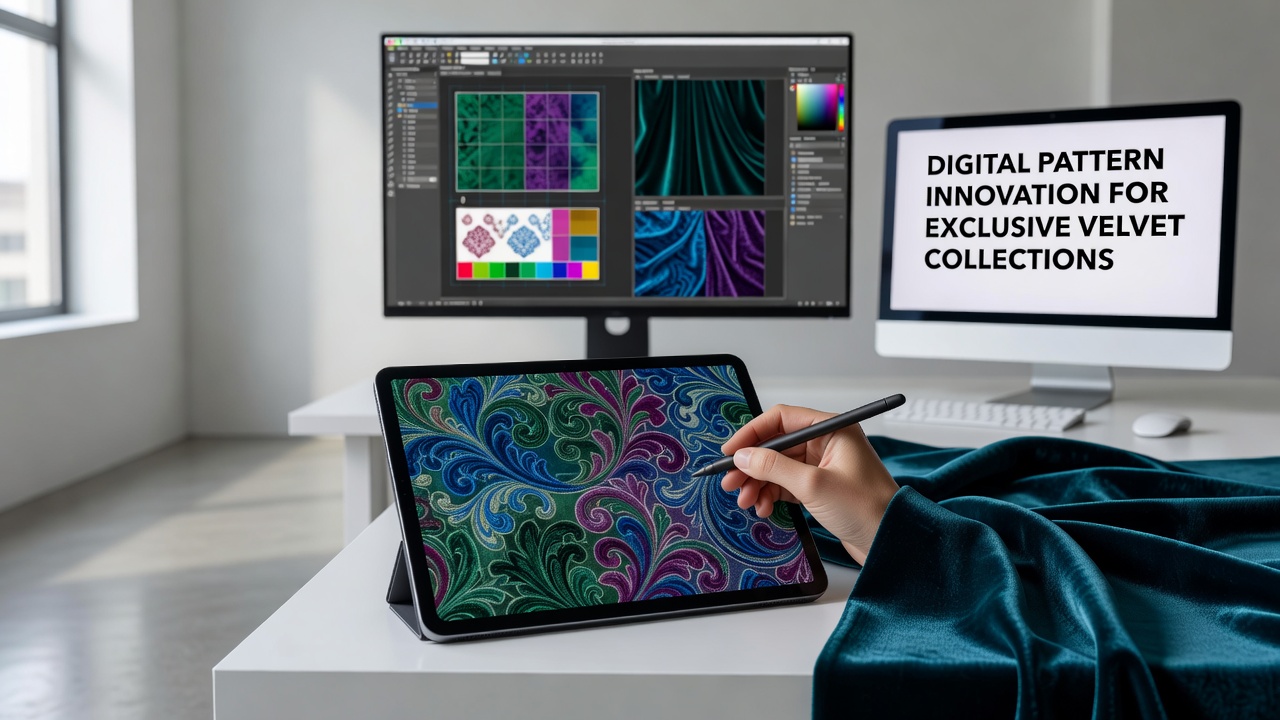
Specialized applications such as advanced CAD systems integrate directly with weaving machinery to translate digital sketches into executable files. These platforms support iterative adjustments to pattern repeats while maintaining the structural integrity of velvet's cut-pile surface. Observers note that teams working on limited-edition runs often combine vector-based drawing tools with texture-mapping modules, allowing them to preview how light interacts with raised fibers before physical samples reach the loom floor.
Integration with parametric modeling further refines output. Designers adjust variables like pile height and density through sliders or scripts, then export specifications that production equipment reads without intermediate manual translation. In October 2026, updates to several major platforms introduced enhanced export protocols aligned with ISO textile standards, reducing file conversion errors reported in earlier versions.
AI-Assisted Innovation in Motif Generation
Machine learning algorithms now assist in generating novel motifs suited to velvet substrates. Training datasets drawn from historical archives and contemporary fashion imagery feed generative models that propose variations on floral, geometric, and abstract themes. Studies from research centers in Australia and Canada indicate these systems accelerate initial concept phases by factors of three to five compared with manual drafting alone.
Yet the final selection and refinement remain under human oversight. Pattern engineers review algorithm outputs for compatibility with velvet's light-reflecting properties, since digital previews sometimes underestimate how cut fibers scatter illumination. One documented workflow at a European atelier combined AI suggestions with manual overrides to produce a collection that debuted at a Milan trade event, where the resulting fabrics displayed consistent depth across multiple dye lots.
Simulation and Prototyping Techniques
Three-dimensional rendering software allows teams to simulate velvet behavior under various lighting conditions and garment constructions. These tools calculate drape, stretch, and shadow formation based on fabric weight and pile orientation data. Manufacturers report fewer physical prototypes required when virtual testing precedes sampling, which shortens development cycles for exclusive pieces destined for seasonal launches.
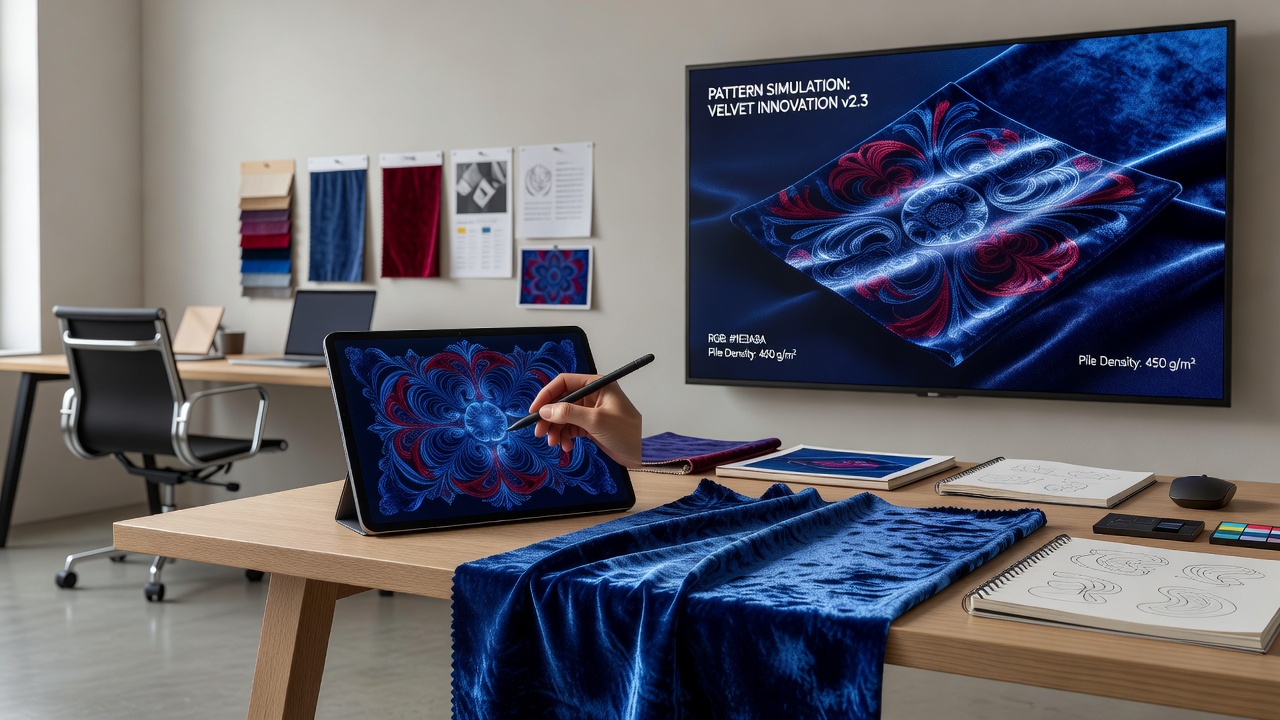
Virtual fitting environments extend this capability further. Digital garments rendered in velvet receive stress maps that highlight areas where pile compression might alter pattern visibility. According to findings published by textile engineering departments at several universities, such simulations correlate closely with physical wear tests when input parameters match actual fiber specifications.
Connection to Manufacturing and Supply Networks
Digital pattern files move directly from design stations to computerized jacquard looms equipped with electronic pile control. This direct linkage supports small-batch production runs essential for exclusive collections. Trade organizations tracking European and Asian supply chains note that synchronized software ecosystems have lowered minimum order quantities without compromising pattern fidelity.
Color management modules within these tools maintain consistency across dye houses. Spectrophotometer data feeds back into the design environment, enabling real-time corrections when batch variations appear. Observers tracking October 2026 production reports recorded improved first-pass yield rates for velvet orders using closed-loop digital workflows.
Case Applications in Exclusive Collections
High-end fashion houses have incorporated digitally generated velvet patterns into couture and ready-to-wear lines. One Italian manufacturer supplied fabrics featuring algorithm-assisted damask motifs for a Paris runway presentation, where the designs incorporated subtle shifts in pile angle that created dynamic visual effects under stage lighting. Similar approaches appear in upholstery collections for limited-edition furniture, where durability data from accelerated testing informs pattern scaling decisions.
Academic collaborations continue to expand tool capabilities. Joint projects between design schools and equipment providers explore haptic feedback interfaces that let users sense virtual pile texture during the creation process. Early trials demonstrate reduced revision cycles when tactile cues supplement visual displays.
Conclusion
Digital tools continue to expand the range of achievable patterns in velvet textiles while supporting the precision demanded by exclusive collections. Integration across design, simulation, and production stages streamlines workflows that previously relied on sequential manual steps. Ongoing research and incremental platform updates keep these systems aligned with evolving material standards and market requirements.