
Ellis Krause · 10 September 2026
Examining how specialized material sourcing cycles influence emerging trends in niche luxury markets
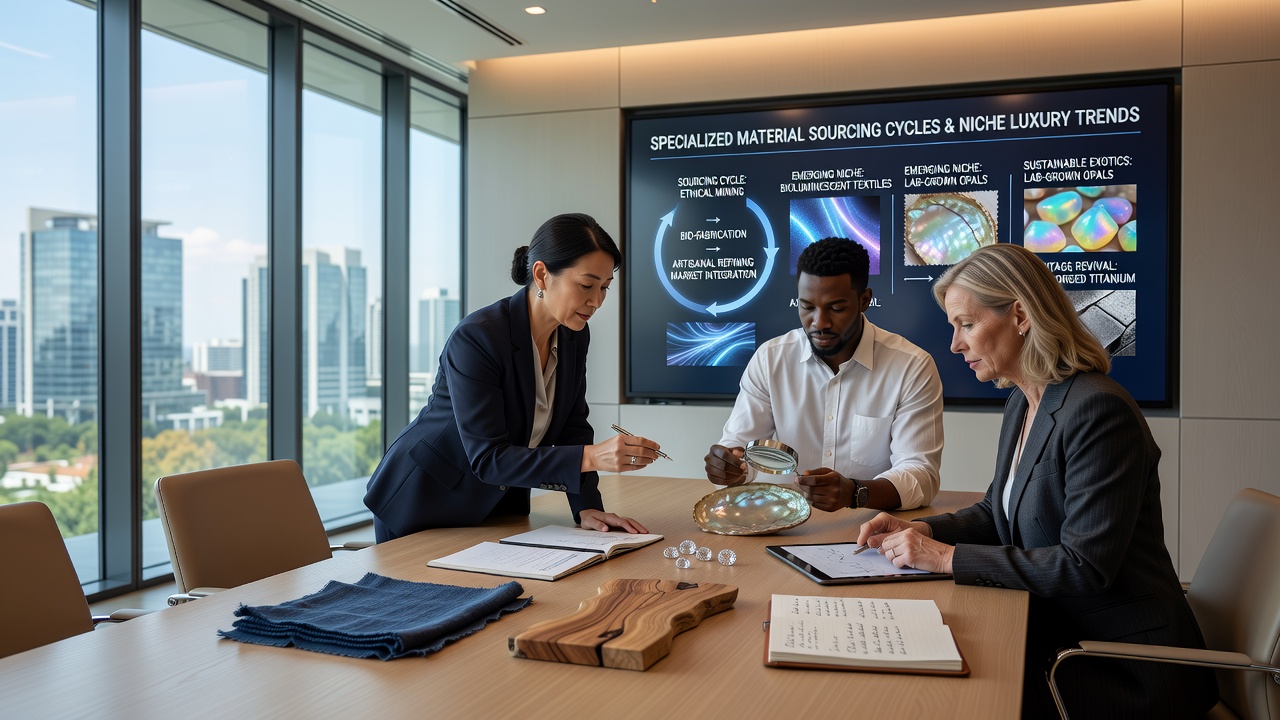
Specialized material sourcing cycles shape the direction of niche luxury markets through periodic shifts in availability, regulatory constraints, and environmental factors that determine which resources reach manufacturers at any given time. These cycles operate on timelines tied to natural harvesting seasons, mining output fluctuations, and policy changes that affect everything from rare animal hides to precision-engineered alloys used in limited-run timepieces and bespoke accessories. Observers note that when supply tightens for one material, designers pivot toward alternatives that then define the next wave of collections released by high-end houses.
Understanding material sourcing cycles in practice
Material sourcing follows repeating patterns where extraction volumes rise and fall based on climate conditions, labor availability, and international trade agreements that open or restrict access to specific regions. For instance, vicuña fiber from Andean highlands becomes available only during regulated shearing periods that occur twice annually, while certain titanium grades used in watch cases depend on aerospace industry byproducts whose production volumes vary with defense contracts. Data from the European Commission circular economy reports shows how these fluctuations create predictable windows when certain materials enter the market in greater quantities, allowing smaller luxury brands to secure allocations before larger conglomerates dominate the supply.
Regulatory updates further modulate these cycles, and in September 2026 several new traceability requirements took effect across multiple jurisdictions that mandated blockchain documentation for precious metals and exotic leathers. Those requirements extended lead times for compliant batches, which in turn prompted some manufacturers to accelerate development of lab-grown alternatives that bypass traditional extraction timelines entirely. Researchers tracking these shifts documented increased interest in bio-fabricated materials that offer consistent quality regardless of seasonal or geopolitical disruptions.
Impact on emerging trends within niche segments
Niche luxury segments respond to sourcing constraints by emphasizing materials that happen to be abundant during particular periods, and this dynamic produces visible aesthetic movements across collections. When supplies of Burmese ruby decrease due to mining restrictions, jewelers highlight Brazilian paraiba tourmalines that become more accessible through new trade corridors, and this substitution pattern appears repeatedly in auction results and limited-edition releases. Similarly, watchmakers facing shortages of specific ceramic compounds have turned toward textured meteorite dials or forged carbon composites that carry their own distinct visual signatures.
These adaptations create self-reinforcing trend cycles where the materials that prove easiest to source during constrained periods gain cultural cachet through association with exclusivity. One study from the US Geological Survey mineral commodity summaries indicated that allocation patterns for rare earth elements used in luxury electronics directly correlated with the introduction of new minimalist design languages that minimized reliance on those elements. Brands that aligned their releases with peak availability windows achieved faster production turnaround and stronger positioning against competitors still awaiting delayed shipments.
Case examples from current market movements
Consider the trajectory of certain small leather goods makers who shifted from traditional calfskin to plant-based alternatives after sourcing cycles for animal hides lengthened due to drought conditions in major producing areas. The transition coincided with regulatory incentives introduced in multiple European countries that favored lower-impact materials, resulting in new product lines that gained traction among collectors seeking pieces with documented provenance. Those makers who secured early contracts for the alternative materials established supply relationships that competitors later struggled to replicate.
Another pattern emerges in the jewelry sector where recycled platinum from industrial catalysts became more readily available following changes in automotive manufacturing output. Artisans incorporated higher percentages of this reclaimed metal into designs that featured visible grain structures highlighting the material's origin story, and this approach appeared across multiple independent ateliers during the same season. The alignment between sourcing availability and design choices demonstrates how cycles influence not only what gets made but also the narratives that accompany the finished objects.
Conclusion
Specialized material sourcing cycles continue to determine which trends gain momentum in niche luxury markets by dictating the timing and volume of resources available to designers and manufacturers. As regulatory frameworks evolve and extraction methods adapt to environmental pressures, the materials that define future collections will reflect the intersection of natural availability, policy timing, and strategic procurement decisions made well in advance of product launches. Those tracking these patterns observe consistent correlations between supply windows and the aesthetic directions that subsequently appear in limited editions and bespoke commissions.